The Names We Carry
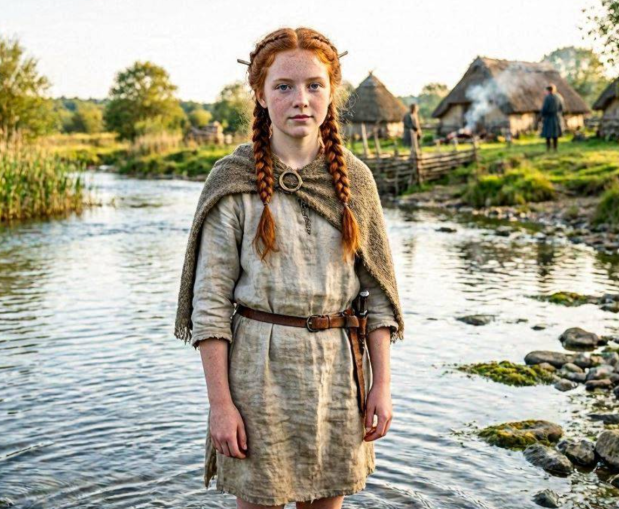
How to speak the names of Corcu Móinraige
We are given our names before anyone knows who we will become, which means a name must sometimes wait years for the person carrying it to grow into its meaning.
The names in Móin & Marrow are drawn from Old Irish, although Bréaca lived centuries before that language was written down. The Irish spoken in her time left no words we can place securely in the mouth, and so these are the oldest names I could give the reader without turning every page into a footnote.
What follows is the surface: enough to say each name, and enough to know what those who first spoke it might have heard.
Why I chose each of these names and how they connect to the story–the roots–are waiting at the end of the story.
| A Note on the Names The Irish in this book is not the Irish of two thousand years ago. No such language survives to us. The earliest Irish anyone can still read comes centuries later, and so do the laws this story turns on. These are Old Irish names — the oldest ones I can put in your mouth. The accent (á, é, í, ó, ú) lengthens a vowel. Th is a soft breath, never the English th. And a vowel standing beside another vowel is often silent, there only to shape the consonant that follows. Bréaca — BRAY-ka — from breac: speckled, dappled. It is also the word for the trout, for the spots along its side. Éogan — AY-oh-ghan — born of the yew Aodh — AY — fire Eithne — EH-nyuh — a kernel: the grain inside the husk Lugaid — LOO-ghidh — for the god Lug Cáelán — KAY-lawn — the slender one. From caol, narrow — which is also the word for a narrows, the channel where water runs between two shores. Again there is more to these names than this. It will await you at the back of the book. |

