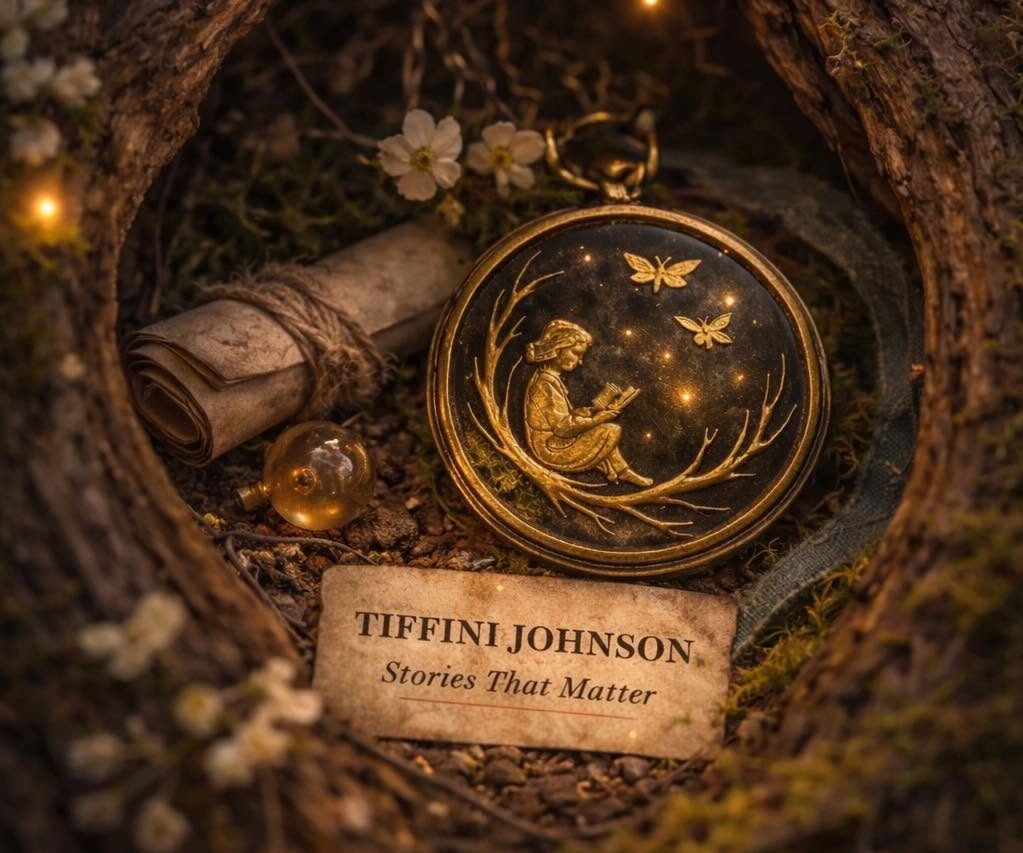
The Original Wound: Storymere Excerpt
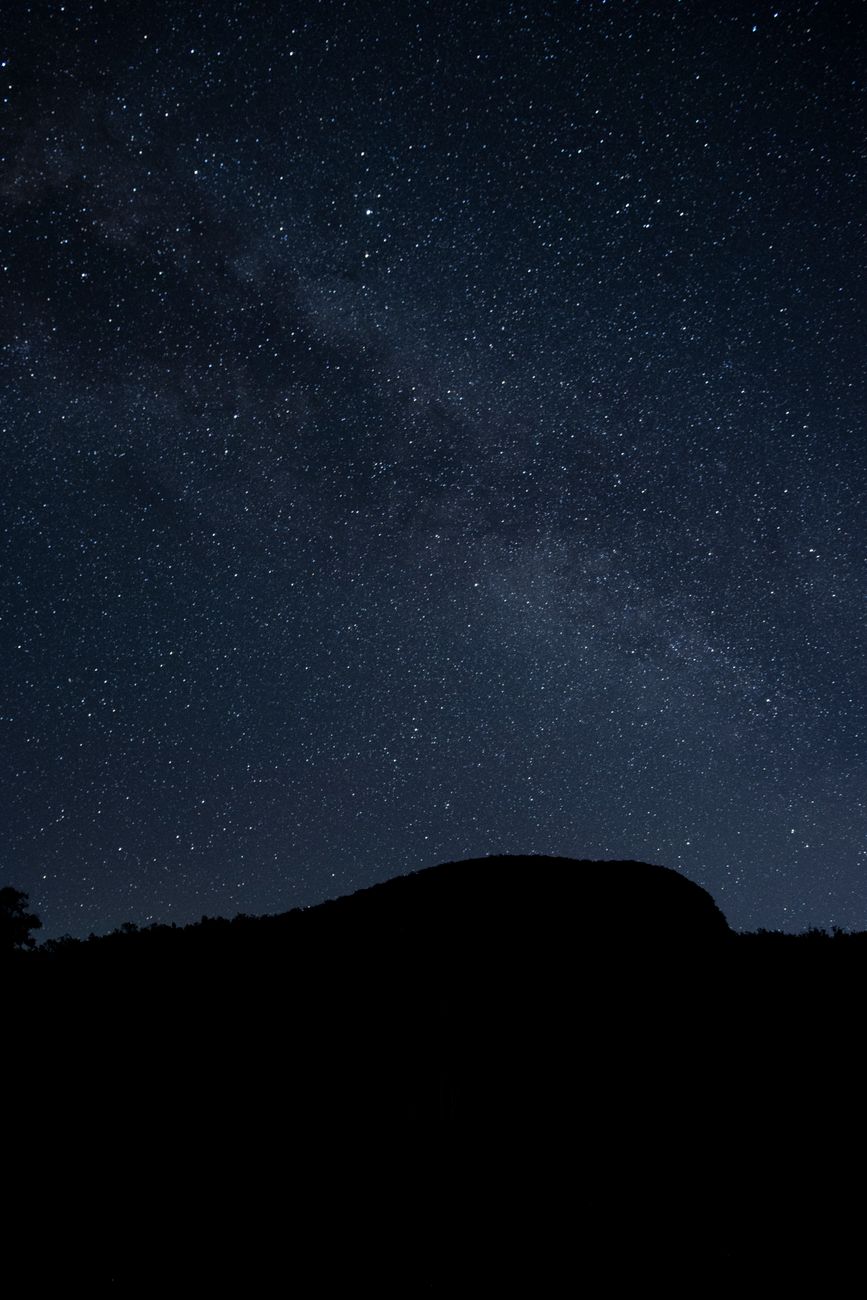
This is a hard chapter to read.
I’ve spent most of the day in tears over it (5,299 words written today; this shows you how deeply I was in it).
It is the original wound for Storymere (that takes you to more detail about the story’s concept; this takes you to another excerpt). This story is one I care very deeply about. I hope you come to love these characters as much as I do. Ultimately, the novel traces this family over the course of 100 years.

I wake while it is still night. I know it’s too early to rise because the shape of Neene still lies on her mat, her body turned toward us. The room is grey and still and quiet except for Awa. She breathes with her mouth parted, as though she can’t be quiet even when she’s asleep. Something scratches outside. One of the village dogs or a curious goat looks for scraps.
When I roll, I notice Baaba’s sleeping place is empty; his mat, rolled up neatly, leans against the woven wall. Frowning, I sit, yawning. There’s no sense in letting daylight waste away. Neene says this when she catches Awa sitting still instead of finding something useful to do. Neene would smile at me, pat my back, and tell me thank you if some of the chores are done before Fajr.
I stand silently, smiling when a sliver of moonlight reveals a speck of dust on Awa’s chin. She just can’t help herself: dirt gathers around her like bees to honey. I hesitate but choose my pretty blue wrapper to wear. When I pull the nightshift off, gooseflesh rises along the thin, soft hairs of my legs. I haven’t worn the pretty blue wrapper since Neene and Baaba gave it to me; it still feels stiff as it drapes around me, its ends brushing lightly against my ankles. When I step outside, I look up first. The sky still holds the stars; they twinkle above me. Since I’ll have to wash my feet for Fajr anyway, I don’t wear my sandals. The gritty, tawny dirt beneath my soles feels like home. The thought makes me look beyond the hills toward the river and Samba’s settlement.
“Do ya think that’s enoug’?” Sometimes his words curl around each other, the beginnings and endings blurring.
“Do you think that’s enough for a hearth?” I ask as we stare into the small brown box where a handful of Djéol dirt now lies.
“You add some.”
Small pebbles and bits of loose rock and dirt harden the ground; a jagged crack formed by the dry season’s relentless sun snags the corner of my gaze. I work to loosen the dirt until it crumbles; using the side of one hand, I scoop some into my other palm. The whispering sound of it sliding into the box and onto the dirt he’s already collected sounds almost like a promise.
Samba’s face changes; his smile grows. “That’s enough gold.”
Feeding the poultry is Awa’s morning chore, but when I see the coarse-woven sack lying on its side, its mouth open and a light dusting of millet spilt onto the ground, I shake my head. She left the millet out and some animal got into it. A few tiny tracks near the sack confirm a mouse found an easy supper. Bending down, I scoop the excess millet into my palm and toss it over the pen for the chickens. Soon, I’ve cleaned the ground, fed them and returned the tied sack to storage. The mouse will have to look elsewhere for food tonight.
The sound of a donkey braying turns my head.
Baaba.
The donkey’s ears twitch as he stops near the hut. Neene comes out, calls hello and walks toward the earthen wall. Baaba dismounts, checks the sky. Fajr nears. “Isn’t that your sister’s task?” he asks, his brows arched.
I shrug. “There was time to do it now.”
“Everything alright?” Neene asks, coming back, glancing at the horizon.
Baaba nods. “Bocar and I went; we didn’t see anything around the boundary.” Taking the rope tied around the donkey’s neck, Baaba walks toward the tethering post.
Neene’s shoulders loosen. “Good. I’ll start the water.”
The air in the hut feels different when I step back inside; alive instead of asleep. Except for Awa. She still lies with her eyes closed and her mouth open, her breathing slow and steady. Reaching down, I shake her arm. She frowns, her lips closing, and rolls away from me.
“Come on, Awa. It’s time for wudu and prayer.” I shake her again. When she doesn’t open her eyes, I coil my pinkie around a fuzzy curl and give two quick tugs. She moans, her hand reaching out to slap my arm. “Stop,” she moans.
“Get up.”
Her mouth stretches wide, yawning, and one honey-brown eye opens.
I smile. “Good morning, Awa.”
Still groggy, she sits. “I’m going to the wall.”
I follow her outside. As she goes to relieve herself, I look for the water Neene has prepared. The bowl is wide and the water swirls. Crouching down, I pour it into my hands. Rivulets of clear liquid trickle through my fingers as I rub my skin. By the time I’ve washed my face, Awa stands beside me, still in her nightshift. She pours too much over her hands and it spills, darkening a patch of earth.
After completing the washing of my face and head, I rub the dirt and pebbles from my feet and ankles and then slip my toes into my sandals. I move around the hut to stand facing Mecca. I am the first in position.
A dog barks once from somewhere close. Beyond the bark, there’s another sound but I can’t make out what it is. It’s still dark; moonlight reveals nothing. When the dog’s barking becomes louder and incessant, something uneasy blooms in my belly. My heart pounds: it is loud.
There it is again—someone shouting.
Something’s not right.
Then—
Horses. Not one. Many.
Suddenly, a very loud, very clear shout: “Hasani!”
Noise bursts.
I turn, looking for Awa. “Baaba—”
The shouts grow even louder.
I see Mammadu and Uncle run into view; their faces scare me. “Oumar!”
“Get with your mother now!” I’ve never heard Baaba’s voice sound like that. He runs past me, calling for Mammadu: “Follow the plan; women and children to the river!”
“Aïssata!” Neene screams from the door of the hut. She has Awa’s wrist in her hand and runs at me, grabbing mine.
The shouts turn to screams.
“River!” Baaba yells at Neene as he and the men run from the house. Neene hesitates, her eyes wild and wide. She spins, looking south toward the river, gauging.
“Neene?” Awa cries, tugging our mother’s arm.
“I don’t know, I don’t know…” Neene whispers and panic floods her face. Women scatter; some head toward the river, others into abandoned huts. Neene freezes, swallowing repeatedly.
Without warning, a dozen horses, taller than the sky, swarm into the middle of our settlement. It’s their presence that makes Neene run, dragging us behind her. Men with flowing robes and cloth around their heads scream from the saddles; they swing long blades. Some have crackling torches.
Suddenly, a loud blast pierces the dawn. I don’t see where it comes from but the ringing in my ears makes me scream. Awa pulls her hands up to cover her ears; Neene doesn’t let her wrist go even as the sound stops us cold. Smoke spreads everywhere; the donkey breaks its tether and runs; Mammadu moves to strike, lifting a blade. Someone behind him makes the loud blast again; I am coughing when I see Mammadu fall. The ground doesn’t look gold anymore; it looks red. Awa screams for Baaba. There are people everywhere. Fear courses through my veins.
We round Uncle’s hut.
Men scream in our faces; Neene lets go of my wrist, grabs my chin so I look into her eyes and screams, “Run!” The word doesn’t make sense to me. What does it mean? Before I can move, a man, thick-shouldered, with wild eyes and a gleaming lance, grabs me by my arm.
Awa wails my name. Someone yanks her from Neene; I can’t see his face. Neene’s shrill howl is the loudest thing I’ve ever heard, even louder than the shots fired. Awa flails, squatting, pulling against the arms that hold her, and ends on the ground, on her back, one arm over her head as he drags her. Something in my chest unravels. I scramble, trying to reach the hand she’s holding out toward me.
“Aïssata!”
She looks so small still in her nightshift and I stretch, reaching as far as I can toward her. Our fingers brush but are not close enough to grasp. As I’m pulled further away from my sister, my fingernail bites deep into my skin. The noise around me garbles. All I hear is Awa, but I can’t see her anymore. People move between us. My chest tightens; bubbles rise into my throat and I can’t breathe.
I stumble because we’re moving too quick. I fall and my eyes land on the edge of my blue wrapper. The shouting, the tightness of the man’s fingers around my arm, Neene calling my name—everything fades. The rim of my wrapper grows, as though billowed by the wind, and I’m not sure now if the blue is my wrapper or the sky. The color swirls, moving from the deep blue of the garment to the washed azure of a cloudless sky.
A river rushes beside me. The clear water babbles over stones the shade of powdered chalk and flows toward the sea. Thin reeds crowd its banks. Birds sit high on branches of acacias. When I look into the water, I notice one such branch, but it doesn’t look like any branch; it is ripe with colors. A tiny sunbird with iridescent green and blue feathers sings loudly while two red-cheeked cordon-bleu finches survey the river from one branch higher. They’re playing with paints! Awa says this whenever she sees one.
Through the river’s mirror, I notice the leaves, too. One looks smaller than the others; it quivers. Or maybe it sways? Or maybe it’s the river’s current playing tricks? Its color is more vibrant than leaves usually are. It shimmers like emerald but sometimes, when the light falls, it looks more like a parakeet’s wing. The reflection is so clear I see a strong ridge, a vein, that runs down its center and branches off into smaller lines. At the end of the vein, the leaf’s tip is pointed and there are tiny, jagged edges down its sides. I stare at the fuzzy tips, wondering if they’re sharp.
From somewhere far, a sound with a familiar, yet oddly different, shape makes me look. Suddenly, droplets of water land on my foot as something breaches the river’s surface. Too quickly for me to see what it was, I lean back and move to swipe the wetness from my toes. But it isn’t river spray. It’s dark red, darker than the cordon-bleu’s red cheeks, splattered over me. Someone jostles my shoulder just as a gunshot shakes the earth.
I hear whimpering as Awa only does when she’s scared.
My eyes grow wild; where is she?
“Awa! Neene!” I scream as people crowd around me.
“Aïssata. I’m here. We’re here. Stay with me.” Neene bursts forth from behind me. Her breath is shallow and she drags one leg. Blood? Why is she bleeding?
Awa.
She takes my hand and I squeeze it. The small, constant hm hm hm whine breaks up her breathing. Crowded between the horses and men, I strain my neck to see. “Where’s Baaba?” My voice hitches.
A man in grey and brown flowing robes appears in front of us. He jerks my hands first, ties them together at the wrists with a rope that he then uses to bind Awa and Neene. We’re forced back into a line; Awa stands between us. I stand behind Takko who wails hysterically until one of the men screams in her face that she will lose her head if she doesn’t get quiet. The screaming stops, but the crying does not.
Swoosh.
Orange flames devour a few of our huts. The smell of smoke and ash and sweat and blood makes me wish I was beside Neene instead of in front of her. Our cattle—some of them are being herded with us, others lie on the ground. Bodies, too. Bodies lie on the ground; they don’t move. I jerk my eyes away from them.
The hooves of the horse beside me step on a striped mat and tears spill down my cheeks, my eyes moving to the sky.
We can’t do Fajr.
I count steps. Eleven, twelve—a man on horseback chuckles. Twelve steps this time before someone laughs. I start over. One, two, three…
A small body pushes me forward: Awa. I catch myself before falling into Takko, glancing behind my shoulder. Awa’s legs tremble. Neene reaches out, puts a hand on her shoulder, steadying her. We’ve walked for hours. We missed Dhuhr, stopping only for the men to tend to the animals. Squinting, I check the sky. It’s hazy with dust from the march and the horses. The paleness of the sky makes me wonder if it tires as we do. My shadow stretches to the east, longer than it has.
Shadows are dark, black like midnight.
“I talk to mine. Do you talk to your shadow, Samba?”
He smiles. “What do you talk to yours about?”
I shrug, skipping a stone across the surface of the river. “Anything I want. Sometimes I sing to it.”
This delights him. His whole face changes, as though he’s tasted something sweet. “Do you?”
“Praise to Allah, who brings light with the MORning
Who lifts the dark and OPENS our eyes—”
“Does your shadow dance with you?”
I giggle. “Maybe it can.”
“Let’s try it.”
And so we learn: shadows can dance.
Seven, eight—a loud bark of laughter. Eight steps. A man’s voice from up ahead says something. Horses stop. My back straightens.
“Neene?” Awa asks quietly.
“Shh, it’s alright.”
A few stay on their horses, watching us. Some pull grain for the horses to munch. But I notice a few turn to Mecca. I frown, turn. “Neene,” I whisper. “Look.” Murmurs; bows; kneels.
“Asr,” Neene whispers.
“I want to pray.”
Neene’s lips open, close. She blinks back tears. “I know.”
The rope around my wrist feels tighter than before. I watch as the men repeat the steps of Asr. It pulls the rope when I follow to the ground, but I do it anyway. I can’t spread my hands as I normally do, but I try. My lips move with the words to the prayer, not sure if I have the timing or not. Awa watches me but presses back against Neene.
My heart squeezes until it hurts because it doesn’t feel the same. Maybe that’s why Neene stands still. When I look back at Neene, she tries to smile at me and her lip trembles as she whispers, “Well done, Aïssata.”
Well done, Aïssata.
I repeat it again, trying to make her voice louder. Well done, Aïssata. “Why do they pray?” I ask, watching the men in robes. As they finish Asr, the noise picks up again; someone shouts. Men mount.
In my head, I tell Samba, “Shadows pray, too.”
There is noise around us, but all we hear is the quiet.
The stars are out, and the men have crowded us together beneath trees. Men gather around crackling fires. Their guns and lances are always with them. One of the villagers, though bound, nurses a little one. Awa rocks back and forth, picking at a scab on her foot. Neene stares at the cut on her leg, swollen from walking, with dried blood trailing down to her ankle, but does nothing about it. Every now and then, she closes her eyes slowly and her lips move, though nothing comes out.
I hear Neene’s voice, but I don’t know what she says. Words are confusing now. She reaches her wrists out to tip the small bowl they gave each of us toward me. The soup sloshes to the side. I stare straight ahead. I don’t feel anything else. My heart doesn’t race. I can breathe, although it’s different now. A star catches my attention. It pulses like the drum against my skull.
“Aïssata.”
I blink, my eyes moving toward my mother.
“Look at me.”
My gaze lifts to her face. Something shifts in her face, loosens, when I meet her eyes. She gripped my chin hard. “Run!” She nods, pats my knee.
I didn’t run.
My eyes slink away from hers.
“Where’s Baaba?” Awa asks quietly, still rocking.
“I think I saw him fall,” Takko’s mother, Binta, says.
“No, I saw him on the way out,” Rokhaya differs.
Neene straightens. “Where?”
“It might not have been him. Was he on horseback or donkey?” Rokhaya asks.
“Donkey.” Neene hesitates. “I think.”
“I think the one I saw was on horseback. But… but I’m not sure.”
“Did anyone see anyone from the river settlement? Bocar or Samba?” Binta asks.
Samba.
My heart skips a beat and then pounds hard. No one remembers seeing them.
I didn’t look for him.
Tears well. I pull my knees to my chest and hide my face. Allah wants us to help our friends. I am certain next time you will find a way to do both. But I didn’t, Baaba. I didn’t. With my head tucked into my knees, my breath becomes loud, like a whisper that wants to be more than a whisper. Neene asks Awa if she’s cold, tells her to scoot closer to her and lean against her. “I want Baaba.” Awa’s voice is quiet and trembles like my heart.
My chin touches my chest and, in the darkness, I see the outline of the pendant. I pull the cord with blue and white beads from over my head and palm the copper. My thumb rubs over the eight-pointed star, and then over the broken arm.
That one is broken.
That one is copper.
I tilt it so the moonlight catches it; the silver beam makes the metal look almost like amber.
I look at Awa.
“Look up,” I say quietly. Awa tips her head back. Neene raises her head, too. We stare at the sky and its pulsing stars. “There was a girl whose father traveled very far.” I swallow. “She was scared because she thought he might be swallowed by the distance. It was very far that he had to go.”
“Where?” Awa asks. The moon is pale but I know she wants me to tell her where he is. Bubbles stick in my throat. I look down at the pendant, rub the broken arm. “Far. But every night she would pick a hoodere. Any would do.”
“Which one do you pick?” Awa asks, watching the twinkling lights.
“I like that one,” Neene joins, tugging the rope so she can point to a star just above us.
Awa thinks for a moment and chooses one beside Neene’s. I say, “The girl always picked the first bright one she could find. Her father would say it didn’t matter where the road went. He would look for a star too. Every night he was away.”
“But he was far.”
“It didn’t matter. The girl thought there were two skies. One for her and one for him. She thought maybe the stars chose which sky they wanted and maybe they didn’t always pick the same one.”
Baaba pulls a slip of copper from his garment, turns it between large fingers. “The star never chose.” I repeat it now: “The stars never choose because there was never one sky for him and one sky for her. There was only one sky.” I slip the pendant back around my neck. I swallow, singing the words to the song Awa wrote, “When I cannot see your face, I will lift my eyes.”
Neene smiles. “That’s the melody to our morning song.”
I lean over, nudging my sister’s shoulder, forcing my lips to tilt. “What does Allah bring in the morning?”
It takes Awa time. I don’t think she’s going to answer. Maybe she don’t remember. Maybe she can’t. But then her shoulders shake and she moves, lying her head in my lap. “Millet,” she whispers, wiping her nose with the back of her hand.
The sun blisters.
The horse swats his tail.
A fly buzzes near my nose; I jerk my head away.
From behind us, cattle low. Leather squeaks as the men shift in the saddles. The gold dirt turns more ochre and is firmer than at home. There aren’t as many acacia trees and we pass a few stones. Awa slows by the time the pinks and purples brush against the golden rays of the sun. Without warning, a man in flowing robes and a brown headwrap tells us to stop. Across his chest, a large gun sways. When he grabs Awa’s wrists, Neene cries out, “No, please—”
He removes the rope and thrusts my sister up to the Hassane riding beside us.
“Neene!” Awa cries, trying to reach down. The man holding her speaks low. I can’t hear what he says but Awa stops talking. I can see her shaking from here. “Walk,” the man orders, shoving my shoulder. I feel Neene crowding against my back. She whispers, “Faster, Aïssata.” My own feet and ankles are swollen but I move as quick as I can, crowding against Takko’s back, until I feel the rope that connects us all shift to the side.
Neene’s dark fingers grasp Awa’s heel.
She doesn’t let go. When Awa turns her head to look down, I hear Neene say, “We’re right here. We’re right beside you.”
And we walk.
The sun moves slowly.
Sweat collects on my upper lip and along my forehead. When the men drink, I track the gourd. We are too hot and too tired to talk. I walk and stare at the horizon where the lines are wavy because that feels like my insides. Blurry.
I feel the shift before I know why.
The men hurry us; donkeys and horses are spurred into quick trots. Voices start talking over one another. And then, in the distance, I see them.
Tents.
Still holding Awa’s heel, Neene breathes in, fast and shallow. My eyes widen. As we get closer, we see men and women walking from tent to tent. Market, I think. The rope pulls against my wrist. Skin peels; blisters rise. This market is busier than the one at home. Animals and people converge, push against each other. The men on horseback dismount. Awa is given back; her wrists are bound again. “Move,” someone says, prodding us into groups.
“They’re watching us,” I whisper. People pass by, but their heads turn and stare at us as they do. Children point and laugh. Neene frowns, confused. “Just stay close,” she says. The rope still binds us. Some of the men move. I watch them walk away and wonder where they go. Dried blood spatters stain the back of one man’s robes. I wonder whose blood and swallow back fear.
A man steps in front of Takko, presses a gourd to her mouth. She is not ready; water spills onto her chin and she starts coughing, moving her head back. Then he’s in front of me. He smells of dust and cattle. The gourd presses against my mouth. He pours too fast, but the water feels cold against my cracked lips. I try to gulp it down, but end up coughing, sputtering some out as Takko did. Neene drinks but turns her face aside, refusing more before she chokes.
Awa.
Awa lifts her hands in the rope, trying to hold the gourd. The man pulls it back angrily and then tries again, pressing it against her mouth. Awa swallows and then, when she can’t, her cheeks grow tight and I know: she’s holding it, sealing her lips so she can’t lose what she has.
New men, some in headdresses, and some in wrappers and garments like ours, cluster in small groups. One tilts his head, squinting, as he looks at us all. When he nods at Binta, one of the robed men pulls her forward, removes the rope from around her wrist and walks her toward the small group. A man walks around her; he speaks and she holds her hands out, turns them over.
Neene makes a small sound; her fingers squeeze around my palm. I look up in time to see her shaking her head violently and murmuring, “No, no, no.” Her eyes flit from the man looking at Binta’s hands to the crowded market around us. A foot slides forward against the ground; the rope tugs. “Allah,” she whispers.
But when the villager shrugs and nods, Neene changes. She grips our hands tighter, pulls us closer to her; her nostrils flare. Fear buds deep in my belly, but I don’t know why. “Don’t look up, don’t look up,” she says in the do as I say now voice she uses when Awa doesn’t want to do chores.
Awa and I bend our heads.
My shoulders curl and I shuffle my feet back a step, trying to hide behind her. The earth is darker where I stand than at home. Still yellow, but cold, not the warm shade of gold Samba and I buried. Hints of a reddish color blend. I don’t lift my head but when someone cries out, I raise only my eyes. Someone else is led forward away from the stone wall where we stand. My eyes drop again because Neene said don’t look up.
I haven’t done anything right.
I didn’t run.
I didn’t look for Samba.
And when boots appear in front of us, I look up.
Neene talks over the man, shaking her head, lifting mine and Awa’s arms. Suddenly, the tall man, the one with the gun around his chest, grips her upper arm and hauls her forward. Neene looks at me. Her eyes are wider than they’ve ever been and she wails, her face long and desperate. “Your sister,” she says in a voice I’ve never heard from her. “Your sister, Aïssata.”
“Yes, Neene.” I nod, promising her, but I don’t know what I’m promising. She is pulled in front of us, where Binta was taken. The man’s skin is brown, but lighter than ours. I don’t understand his words, and neither does Neene, because she doesn’t move. He reaches out, pulls her arm out to the side.
Within moments, he nods.
Something deep inside of me cracks when Awa screams and tries to run toward Neene. The rope won’t let her. Neene calls our names, over and over and over, as they bind her wrists again and lead her away from us. I can still hear her screaming even when she’s swallowed by the crowd.
My mind blanks.
Your sister, Aïssata!
I nod to myself, moving closer to Awa. She is shouting, “Where is she? Where is she, Aïssata?” Tears spill from over my nose and into my mouth. The men look over at us and fear explodes. Don’t look up, don’t look up. “Shh shh,” I whisper frantically. “Look down, look down, Awa, please.”
And something hot and awful blooms inside me. A knowing. Panic swells until I feel like I’m going to explode like the gunshots did in the village. I drop my head as low as I can and lift the rope. When I feel the pendant hanging from my neck, I curl my fingers around its edges and yank, fast and hard, until the cord snaps. Beads fall. Awa’s fingers close around it before I tell her to take it.
Boots.
Awa doesn’t scream when he pulls her.
But I do.
My whole body starts shaking and I rush forward, as far as the rope will let me and, when it pulls me back, I go to my knees. Fire. My whole body feels like someone took a torch to it. I can’t see for the tears. They make me angry because I need to see where she goes. I need to see who takes her, but I don’t see. All I see is Awa. Her hair isn’t in cornrows anymore. Fuzzy curls spring by her ears; her nightshift is covered in dust, dirt and more. I stare at her, screaming her name until my throat hurts.
I shift and something hard rolls against my knee. One of the blue beads. Dirtied by earth, I pick it up, frozen, unable to look away. Don’t look up, don’t look up. The bead changes colors depending on where I look: some spots are smeared with tan streaks of dirt; others are almost clear. I use my thumb to roll it against my first finger.
“Stand up and walk.”
Where is she? Heat swells in my body again; my hands curl. They look at hands. Quick, while I walk, I cover my mouth, parting my lips and slipping the blue bead between them. It clicks against my teeth as I bury it beneath my tongue.
The man standing in front of me is tall. His skin is dark, like mine, but with hints of olive. He stares at me and I cannot read his eyes: they are dark but they don’t have my starburst lines. I can’t see light in them. He does not move or speak. But he watches me like no one has ever done. He cocks his head to the side, walks around me. He steps close. He smells different. Tobacco and river. He holds his palm out, turns it over, nods at me.
I do what the others have done: hold my arms out, straight in front of me, turn my palms over. He steps even closer, bares his teeth at me, pointing to his own mouth. I smile, wondering what he thinks about the gap between my teeth. When two of his fingers reach out, I jerk back, but he captures my chin and turns my head to the left.
Neene gripped my chin. “Run!”
I can’t.
When he turns my head to the other side, looking at every inch of my face, something I’ve never felt rushes over me. It’s cold and the shaking grows worse. I press my tongue down against the bead. The man moves his head close, staring at my eyes. I stop breathing. He lowers his gaze slowly, dragging it over my neck and shoulders until my teeth rattle. That’s when I see it. Just beyond him, the white tent. It flutters into a gazelle running fast, its white neck stretched long. Its coat is the same tawny color of the golden dirt at home; its white belly soft as a cloud. Two long, ribbed horns stand proudly between its ears. And he runs. My chest opens; the bubbles pop one by one until air fills my lungs. I can feel the wind against my skin, blowing through my uncombed, unbraided hair. He leaps over a large puddle. While he’s suspended in mid-air, long, thin legs reaching for the safe side, it’s like he flies.
The birds don’t sing.
The frogs don’t splash into the current.
Everything holds its breath.
When his front legs strike the earth, it shakes. Then his back legs touch down. And then he’s off again, running, running, running and nobody knows where he’s going. Around him, there is only sand and patches of earth overturned. The sound of laughter confuses me. I try to stay with the gazelle, but my vision clears just as my arms drop to my sides.
My arms drop to my sides.
The muscles hurt to move. Carefully, I roll my shoulder and lift my arm. It really is free of the rope. Somehow, I’m sitting beneath shade, watching the man with the good teeth and clean hands talk to someone else, point to me. The tents are farther away now. I watch the crowds from a hill and scan the faces for Awa.
I wish it were night so I could see the stars.

