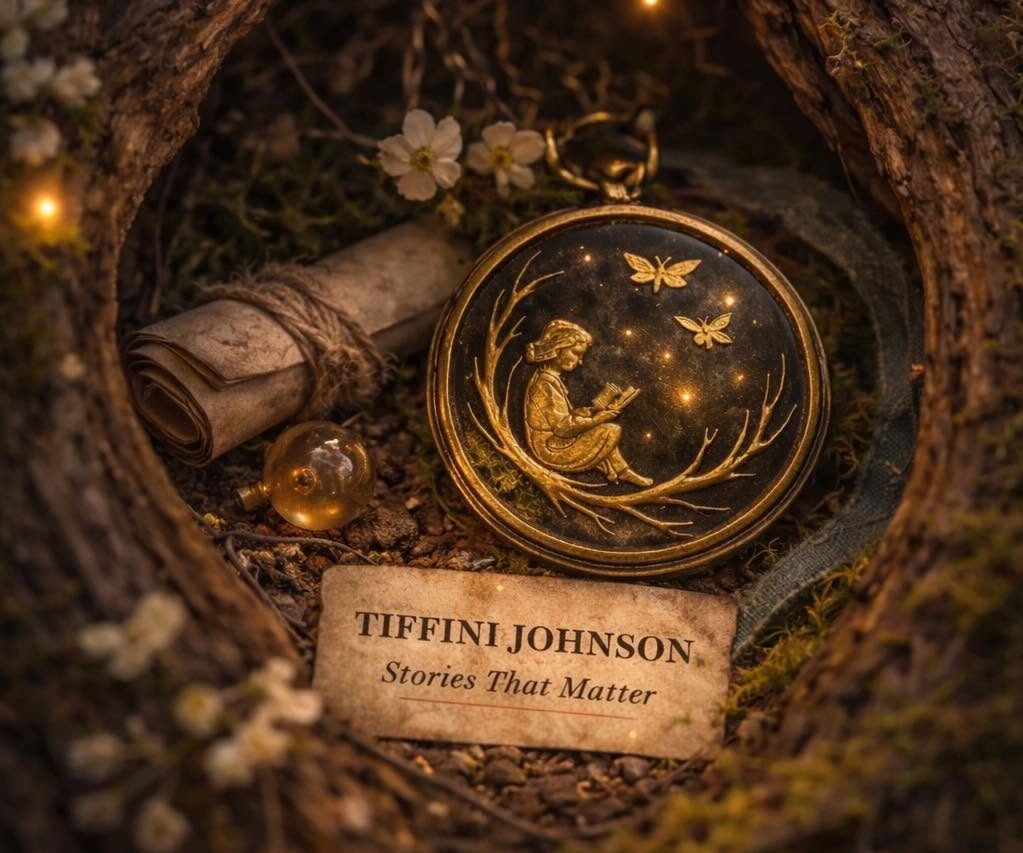
Móin & Marrow: A Video Tease

The trailer for Móin & Marrow is a work of labor. As I was working on layering sounds, the whole platform crashed and I lost hours’ worth of work. In a way, it made me think of Bréaca herself because she works so hard to gain the smallest ground.
Language creates the soundtrack of my life. When I am scared, when I am excited, when I am intimidated or nervous, when I am joyful, through all the emotional seasons of life, letters and sounds build my safety net. When words themselves threaten hard-won peace, I’ve discovered comfort, like that of a soothing lullaby, in uncovering ancient meaning.
Learning that the original definition of rape, for example, meant to seize, to carry away helped me overcome the shame caused by the word. It was easier to say yes, something was seized or carried away by force- innocence, virginity, trust-than to say someone penetrated me without consent because, in the modern definition, worth questions were attached: why didn’t I tell, why didn’t I fight harder?
Móin & Marrow is more than the title of the new book. These words braid history, science and fiction.
Móin is the Irish word for “peat/turf.” It is found in Ireland’s peat company, Bord na Móna, and shows up in other references. Peat kept the shape of the woman whose remains were found in a bog in 2023 and inspired The Way of Water. Peat preserved her for two thousand years. Bog bodies are famous for being so well preserved that Oldcroghan Man, whose remains were unearthed in 2003 in County Offaly, Ireland still had fingerprint whorls “as clear as a living person’s.”
Móin tells us geography. The remains of these “bog bodies” were protected by locations formed over thousands and thousands of years. Science can walk us step-by-step through the process of preservation.
But it cannot tell us about the marrow of any of them.
Where and how the Ballymacomb Woman was discovered is only part of the answer and, arguably, the least interesting. When crafting the title, I was still ruminating science, specifically, the human body. I spent an unholy amount of time researching things like how does the bog preserve soft tissue but annihilate bone (soft tissue is resistant to acid and tans to become leathery, but the acid eats bone) and when would a body have to be placed in a bog in order to be preserved? (Winter, Spring).
It was here, earning my pseudo-scientist degree, that I ran across the word marrow. Soon, the history of the word sent chills down my back. There are two readings to talk about here. The first is the easiest. Marrow is the inner-most substance of a being, the part whose job it is to create life from the inside. Phrases like “chilled to the bone” suggest that something has reached your inner core. Móin works on the outside, preventing decay, while the marrow of someone fights to keep them alive from the inside.
But marrow doesn’t stop there.
It can go deeper.
There is an old word native to the Scots, English and Ireland: marrow. It is not the same as the marrow, the innermost substance. Instead, this marrow was once used to describe someone’s counterpart, her spouse, the person she shared a bed with. These are two separate words who collided into the same spelling but with different meanings. When I paired them, what I read was marrow can refer to the essential thing at your core and the person who is your equal.
Language makes the clearest, most poignant, and sharpest argument of the novel. Deep down in her marrow, in the truest part of who she was, Bréaca was not an object to be won. Etymologically, she was an equal to her husband. Her marrow was always counterpart-shaped, never possession-shaped.
Bréaca marries a man who believes, and who tells her, she is his but her truest self cannot be tamed or owned. As survivors, our marrow is revealed when we do things others don’t want or expect us to. It’s revealed when we do things we ourselves didn’t think we could. The marrow inside our bones is the architect of life. It has a unique and crucial role in keeping us alive: it makes our blood. It creates the red blood cells that carry oxygen from our lungs to every other tissue in our body. It creates white blood cells which actively prevents us from getting sick.
And marrow is not passive. In the average healthy adult, marrow produces several hundred billion new blood cells every single day.
So then – to say, They marrow under their Maker by morning is a silent reminder that the two people swearing oaths to one another are not defined by cultural practices. Face price is irrelevant. Part of the tension of the story is the pull between who Bréaca is and who others want her to be.
But, no matter what a husband says, the body itself fights for life.
And, if breath ceases, the móin shields – from decay and from untruths.
After all, it is her bones scientists discovered…

