
Letter from Ash

Tiffini,
Do you remember the first time I showed up? You were very confused because it wasn’t just me that time: Anna was there, too, and you didn’t know who was who. You knew I was a part of the story, but you didn’t know anything else about me: you didn’t know my role, you didn’t know my age, you didn’t know who Anna was. At one point, you thought I was the narrator, then you thought I was the child . You wrote that first scene — remember – and you told yourself, “okay, it’s a short story of some sort”, you thought you were writing a journal, something only you would ever read. Because, if you’d have known what The Character really was, you wouldn’t have written it. Have you ever wondered why I didn’t just tell you what you were writing upfront but instead used these fables, tales, until you caught on? Do you remember the goosebumps that raced up and down your arms when you wrote the scene in which Anna writes one of Ash’s stories? You got it. You knew then what you were writing.
And your whole body burned red. I watched, feeling sadness tighten my chest, as the shame, uncertainty and humiliation washed through you, transforming you from a confident writer to a shaky amateur. Everything about it was different: first person narration with not even a rough outline, unfiltered, unexaggerated memories, the shortest book you’d ever written. It’s been thirteen years since then, almost fourteen. That was a pivotal point in your life: you were raising two young girls and struggling to find financial security, you were working to heal wounds that you’d never voiced, and you were alone. You’ve always been alone, haven’t you? Secrets made you believe that, at least, made you believe that no one really knew you and so no one really cared about you.
But I knew you. And I cared.
If I could have kept what Anna’s story was a secret from you until the very last sentence, I would have done so. I didn’t tell you what that story was about from the get-go because hurting you was the last thing I wanted to do. Do you remember when I started shadowing you before you wrote Ash? A lot of things were happening, then, too. And, so, the question was whispered into your ear: “Would I have survived Auschwitz?” You rebelled, naturally, told yourself things like, “I don’t write a character twice,” and “I don’t want to know,” and “He’s not changing.” You were afraid of what Auschwitz might do to me. You were afraid of bringing me back and putting me in a place that has, for so much of your life, reminded you of the pain you’ve experienced because you didn’t want that kind of pain to damage who I am. If anyone asked you, “Who is Ash?” you used terms like “joyful,” “hopeful,” and you were afraid of seeing that optimistic spirit that you wrote into the pages of Anna’s story dim if trauma came too close.
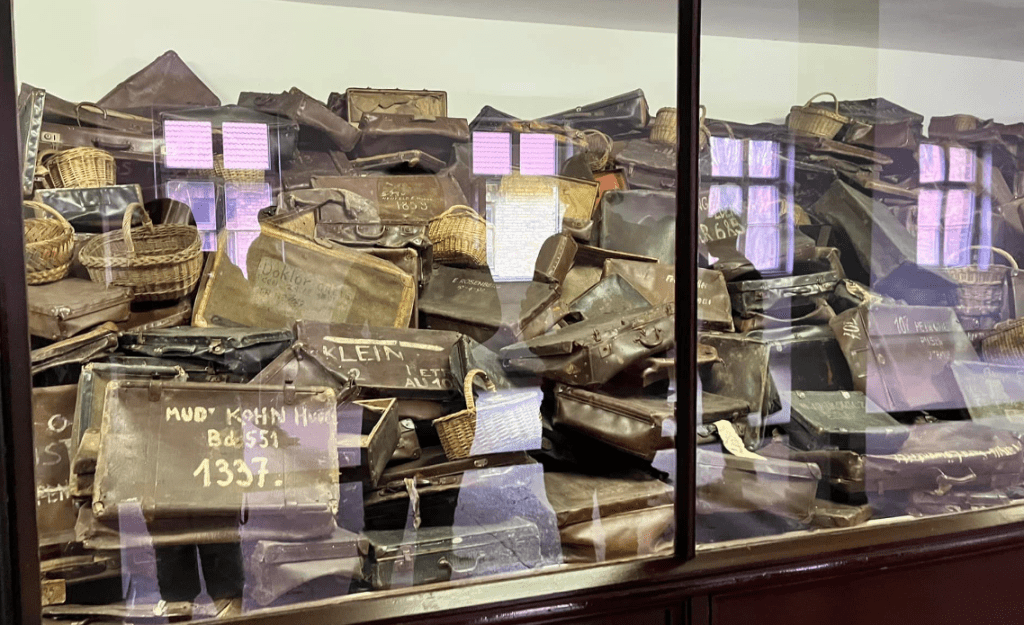
And, so, here we are again.
Months ago, Sage started shadowing you. First, she showed up writing only in lyrics: poems and songs and things that challenge you and make you uncomfortable because you don’t think you do those things well. “I write fiction, not poems,” you say. But Sage was only talking through lyrics. You were wary around her chapters, you knew there was something there. But, once again, you didn’t know what. Except, this time, you’re stronger than you were fourteen years ago and not hurting you meant you needed to know what was coming this time. Because this time wasn’t just saying “I’ve been raped” like Anna’s story was; no, this time was about something much harder, wasn’t it? And, without knowing what it was, not only would you probably not have written it, it could have hurt you worse to start writing it, become invested in Sage and Apricot, and then realize where it was going. So… you knew. For weeks, you knew the chapter that needed to be written.
And you rebelled.
Your initial reaction to big things is usually “no.” You want to be safe, and you’re willing to stay on the sidewalk, to accept the status quo, to give in, to be quiet, to do all sorts of things in order to be safe. You rarely accept a challenge the first time it’s presented to you, but, normally, any character can talk you into it. All they have to do is shadow you long enough. At first, I thought that’s what would happen with Sage — that she’d hang out long enough and you’d eventually accept it, write the chapter, face that fear. Only I underestimated how painful this is for you. There were fears that I didn’t quite account for: fears like, “If I do this, and she goes away, I’ll never forgive myself.” You’ve never really wanted the little girl to go away, have you? You just wanted the nightmare to go away, but you were afraid that interrupting one might make you lose both. You know that writing about something means it’s open for discussion, you can’t hide from it, and you can’t avoid it. And, ultimately, it makes it easier, doesn’t it? It hurts just a little less. But what if you had to talk about the little girl? Would she leave, would she feel betrayed, would it not matter as much?
It mattered. It still matters.
Sage wasn’t particularly helpful because she’s no intention of fighting back; in fact, she’s not only being tortured but also, quite effectively, manipulated and brainwashed. And you were willing to give up writing the entire book, to ignore these characters, to protect that little girl’s place. You’ve never quit at anything, certainly not the writing of a book, no matter how painful it might have been for you. You wrote Anna’s story. You wrote Taya’s story. More importantly, and more to our point, you wrote Haven’s story. You’ve spoken in front of groups, led workshops, you face your past every time you get on a hotline or talk about a book with anyone. You’ve never quit. But you were ready to delete the entire manuscript to avoid writing Apricot. And Sage wasn’t willing to leave it alone. You prayed. You prayed some more. You tried writing other chapters. You wrote about it , trying to banish it that way without having to write it. But none of it worked.
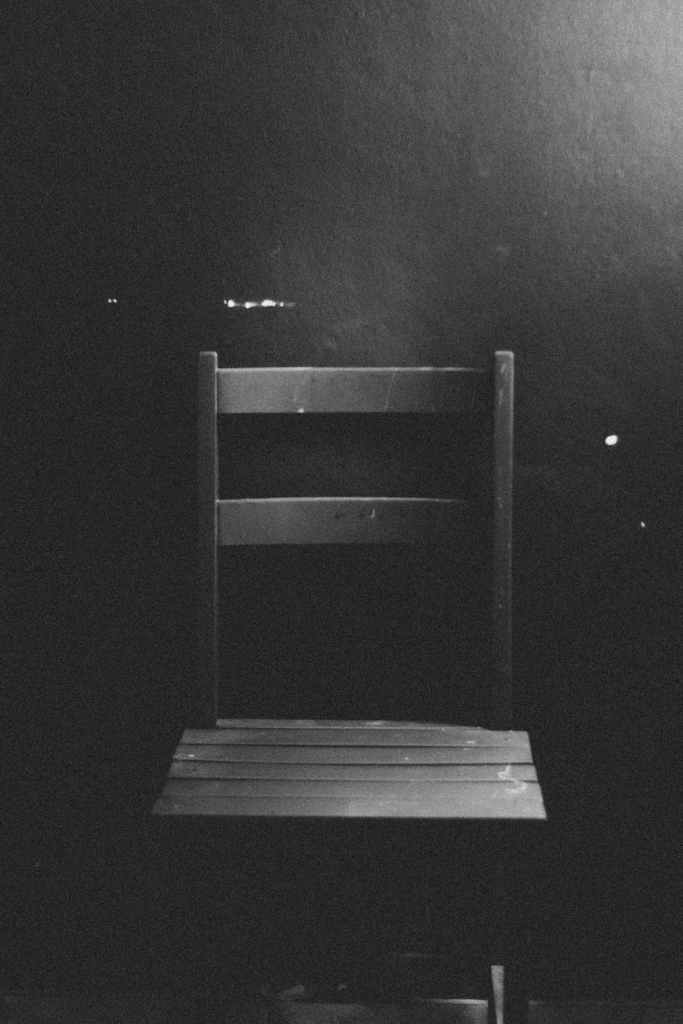
So, I started you shadowing you again.
It’s been some time, hasn’t it, since I’ve done that? “Ash”, the book, was released in 2015. Since then, I’ve popped in periodically but not for any real length of time. And, when you knew I was here, shadowing you, the chaos quieted. Oh, you still weren’t interested in writing the chapter, but you stopped shaking for no reason throughout the day and you could think about Sage without losing it. A few days of shadowing you and you’d taken your last deep breath and said, “Okay, Sage.” It was tremulous at best, but it was a start.
You didn’t want to put me in Auschwitz. I’m really just a part of you, a figment. So, what you really didn’t want to do with “Ash” was go back to the dangerous places, to the cabin, to the reasons shame sometimes makes you stumble in your speech and your face flood with color. So, what I’m getting at here, is that you’ve been trying since 2015 to write about “Apricot.” You got a little closer when you wrote “Haven” by acknowledging for the first time, even if no one else recognized it, that the little girl is real. In that story, you sacrificed yourself by staying in the house and putting the little girl on the boat. That was an impressive feat you did, an emotional Olympics of 2019. But you still couldn’t address the nightmare because it’s tied too intricately with her, you still couldn’t go to the cabin, to the dangerous places. It’s taken you until now to do it without the buffer. But, the important thing is, you did it.
And, so, here we are. The chapter you didn’t want to write–written (of course because, as stated before, you don’t quit). The little girl hasn’t left because she’s not going to. You’re scared she will, scared of “making her” go, but she won’t because you won’t. To be clear: you weren’t an adult inside that little girl’s body. You weren’t. The only one that existed in that real room was the little girl. You’re not the one who owes the apology.
I’m writing this for a different reason, really, though. It’s really not about the little girl at all, or the nightmare, or Sage, why I’m writing this letter. I’m writing this letter because me shadowing you was the catalyst for you to do the thing you couldn’t do, the thing that was painful for you. It was painful for you to write Anna’s story, too, but every time the pain cut a little too deep, I’d weave myself into the chapter and tell a fable about a shooting star or a bear helping save the life of a deer or a ghost of a girl helping a wounded soldier. I’d make Anna laugh and it would give you enough of a reprieve to write the next hard part. And, so, step-by-step, word-by-word, we finished The Character . In Ash, I only showed up once the narrator was orphaned and enduring the brutality alone. To protect her hope and optimism, I’d show up: in Auschwitz, but still, somehow, with a head full of hair, a dimpled smile and a story to tell.

You tell people, “Ash is the representation of all of my characters,” but, what you mean is, “Ash is comforting.” And why is that? Isn’t it because once upon a time characters of all kind of different names and different stories interrupted the trauma? So, when he said, “Take it off, so I can see what’s mine,” which character intervened, dancing across the ceiling or the walls so that the pain didn’t consume you? After he left the room in the cabin, which character caused a ruckus in your mind, competing for your attention, so that instead of lying awake replaying what happened to you, you wrote until calluses formed on the side of your knuckles, until you could convince yourself that the teardrops staining the pages were from an imaginary story, and not what happened in real life, until you finally rewrote reality until it was something you could handle? How many characters have there been? Can you even name them all? You wrote about what it might be like to spend a day with three of us, and sometimes I wonder, if you wrote that again, which characters would you choose to spend time with now?
I’m not shadowing you right now. I don’t know of any other story I need to be a part of right now. But you’ve been writing, solidly, without fail, for 36 years or so. You’ve got thousands of stories to fall back on, and all of them have become as much a part of you as I have. I simply remind you of them. I’m not shadowing you right now not because I’ve “left”, but because you don’t need me right now. Storytelling is a gift you’ve been given. You say, “I just write what the characters say,” or “I just write the scenes in my head,” but that’s not really true. We may indeed bring the stories, but it’s your courage that puts pen to paper, that gives the stories life.
At the end of “The Character”, ten years had passed since Anna was freed from abuse. She’s giving a book signing and I go to see her. When she looks up and sees me standing there, she launches herself into my arms for a comforting hug. I didn’t see her every day as I once did. But I did still see her. And, whenever I see her, it’s still as if I’m returning home to a treasured friend. The best of relationships, you see, the strong ones, the meaningful ones, are the ones in which the friends are there in times of agony and celebrate each other’s triumphs. These are the most comforting relationships. And, the thing is, what you see right now is not what I see. What I see is the optimistic persona you like in me. What I see in you is the word to my story, and I’ll always need that. I am a character, after all.
And, just so you know, what Pooh Bear told Piglet will never change.
“We’ll be friends forever, won’t we, Pooh? asked Piglet.
Winnie the Pooh
“Even longer than that,” Pooh answered.
 Tiffini Johnson
this is so insightful and powerful writing. I think the inner child in all of us needs an Ash
Thank you for reading. I think each of has an Ash… 🙂