
The Scarred Page
The story I am writing now is different in a lot of ways than those I have written. For one, it’s in third person narration, which I don’t do as much as I used to. For two—and this is a big one—one of the two main characters is not innocent. Instead of acting as the proverbial knight in shining armor, he hurts the one he most loves. It is also exploring a different theme—forgiveness, which is a new topic for me. It’s different in a lot of ways.
But it’s also the same in key ways. In one day, she loses her family. In the same day, she is betrayed by someone she trusted with her life. That same day, she violently losing her innocence to a state sponsored rape gang. At the end of the day, she is homeless, reduced to hiding for months, alone, and sleeping with the dead in a bewildering attempt to survive. Evariste endures more trauma and loss—physical, mental, emotional—than many people do in an entire lifetime.
It is more than enough to create a broken spirit. It is more than enough trauma to break someone’s faith in humanity. After surviving all that Evariste does, no one would be surprised if she never trusted another human again. Everyone would understand if she never loved anyone again. It would be reasonable that she might be broken after what she goes through.
This idea of being broken is one I’ve explored several times. The video above is a chapter from Broken – an entire book devoted to the idea of trauma irreparably destroying someone. In Me, Abrielle feels broken—never quite able to completely let go of her abusive past. I’ve described myself as broken more than once.
When I’ve done so, I was trying to describe a gaping hole inside of me that just couldn’t be filled. No matter what I did, no matter how much I healed, the fact was that there were things taken from me that I could never get back. There were pieces of me that were never given the chance to grow into whatever parts of my character that they might have been because they were held down. Immense fear paralyzed parts of me and left those pieces frozen. I couldn’t make friends because I was broken. I couldn’t be loved by someone because I couldn’t trust completely; I couldn’t trust because that ability was broken in me. The people-pleasing, the perfectionism – these were symptoms of a broken human, a woman who believed her worth was determined by how much she gave.
In a nutshell, broken was synonymous with unworthy. And unworthy was something you couldn’t change: it simply was. Broken is when you eventually stop trying to matter because, no matter what you do, it doesn’t change who you are.
Each story typically has an underlying question (or two). The question for Evariste’s story is: can trauma truly destroy or break someone?
The cost of trauma is too high to quantify. How do you regain innocence? How do you recover trust in others? How do you find security once it’s stolen? Once you’re stripped bare and demeaned repeatedly until you have no illusions of your own importance left, how do you ever believe in your own worth again?
If trauma takes away innocence, trust, security, and your worth, what’s left?
I was lucky.
For me, the answer to that question was faith and family because I never questioned God’s existence and I never lost my mom or my sister’s support. Even with those lifelines, I’ve struggled to feel real and whole my entire life. Evariste doesn’t have the strength of her faith like I do, and her family is murdered, so she doesn’t have that, either. Feeling that broken is enough to make someone desperate. Or indifferent.
The thing is: statistically, there are 463,634 people raped in the United States who are over the age of 12. There are 48,100 suicides. Both of these statistics are terrifying and tragic. That there are 48,100 people who have lost all hope in tomorrow is heartbreaking. And that we have nearly half a million people being raped each year …. it is mind blowing. But the point is: most of those experiencing the type of trauma Evariste goes through do not lose all hope: most survive the trauma. While suicide rates amongst the prisoners of the Holocaust concentration camps was high, a study in 2018 found that Holocaust survivors from 1948 onward were at no higher a risk than any other group.
In other words: in cases of rape and of Holocaust survivors, most survive the trauma. For me, surviving that brokenness recognizes that we are more than the sum of the things done to us. For the Jew, life is sacred. For me, kindness is a miracle and I have always been able to see evidence of kindness even in the midst of my worst trauma.
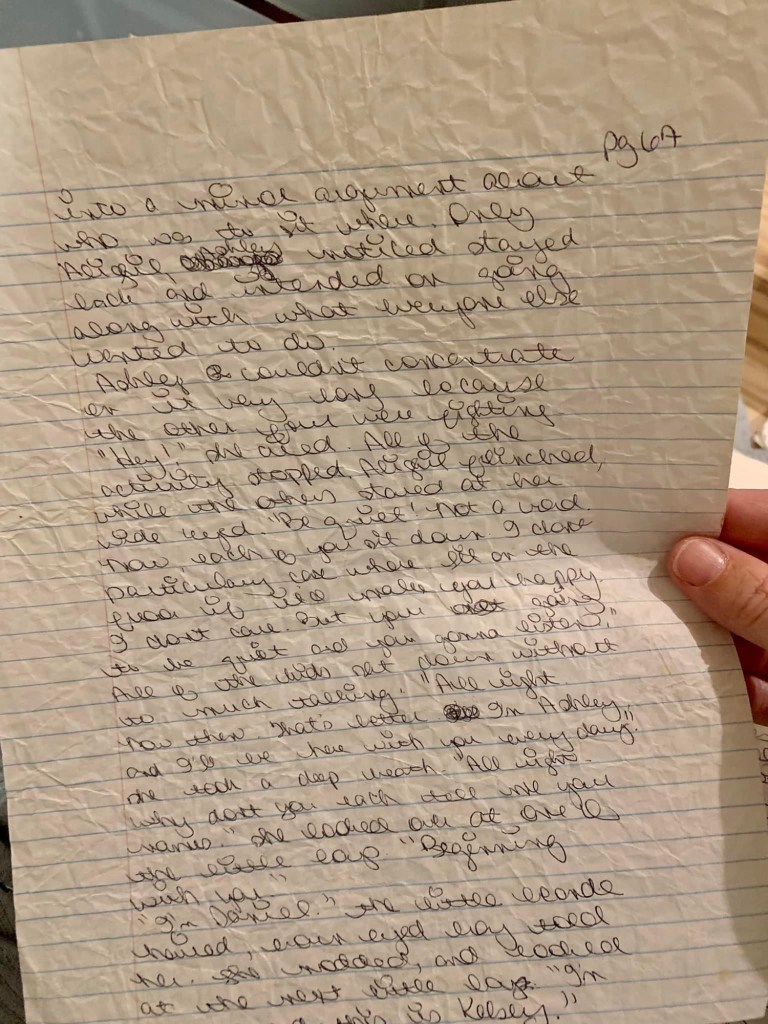
If I take a piece of paper and crumble it up, wad it up as tightly as I can, and then unfold it, I can see evidence of the trauma in the wrinkles now scarring the blank page. Yet, my pen will still write on the wrinkled, hurt page. I can even rip the page, tear the corner off… it’s obviously broken. But it is still a blank canvas upon which I can scribble ideas.
So it is with me: trauma can knock the wind out of me. It can build walls around walls in my heart. At the end of the day, though, it does not take away the beauty of the unknown. Tomorrow, my unvoiced dream might show up. Trauma can’t stop that. The next minute, hour, day, year is an unopened treasure chest—sure, it may have fake riches in it, but it also contains pure gold. Trauma does not take away the next day’s sunrise. Nor does it determine how I react to tomorrow—I can complain that somehow fake riches were put into my treasure chest or I can be awed that I am still here to hold the gold.
In answer to the question: what’s left is the surprise of tomorrow, and the unexpected delight therein.
Hope is a funny thing. The origin of the word comes from the Old English word hopen which comes from Germanic word hopian which means to expect, look forward to. I may expect tomorrow to bring wrinkles in the page … but instead I hope I stumble on that discarded, scarred page so that I might have something on which to write.
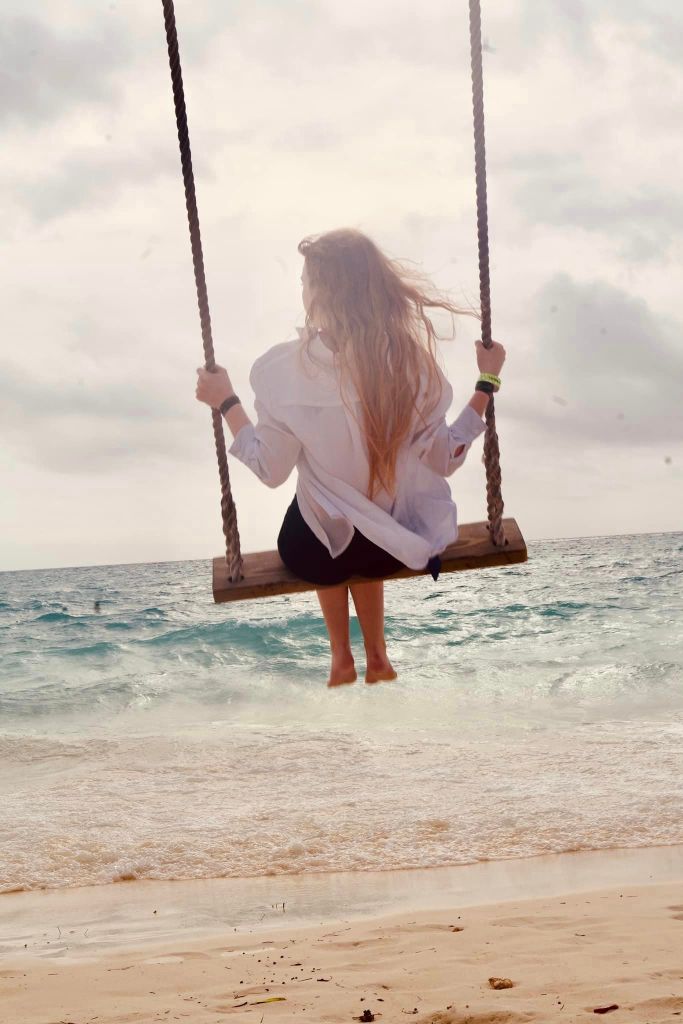
Becoming a mama to two girls were the shiniest gold bars in my life’s treasure chest. Every laugh they’ve had, every milestone accomplished, every Chatter Chat — they are all gold bars. That I am writing a story like this one is a gemstone. Witnessing survivor after survivor call a hotline for help reminds me that support is there; that kindness is as real as evil is a heavy gold bar. Every prayer answered is another. In that treasure chest are thousands of crumbled pages. Some are stained with tears (some are stained with spilled soda), some are ripped, some are so old and fragile that they might just fall apart at any time. On them all are written the secrets, the fears, the dreams that crowded my heart at the time. Those scarred, wrinkled pages are thousands of shiny coins in that treasure chest.
Brokenness is the scar. It does not undermine the trauma. It does not forget the trauma. I’m reminded of it every time I look at the wrinkles on the crumbled page. It does not mean that the trauma doesn’t matter (big fear). A crumbled page is a fragile page; it might not lay flat again. But the scar is not the whole. Words on a crumbled or stained page still reveal parts of me just as clearly as a smooth page would. One torn page in a book of a thousand pages is only one page: I still have 999 other pages of the story to read.
And in those pages, who is to say I might not feel a glimmer of innocence, security, trust and worth?
 Tiffini Johnson