
Walking Where Flowers Grow

Normality is a paved road: it’s comfortable to walk, but no flowers grow.
Pablo Picasso
People call me a leader all the time. In every area of my life, I seem to somehow land leading. I lead a team at work; teaching is part of my DNA. I travel occasionally to speak for RAINN and book events. I am a single mother. I lead in volunteer positions. Like a puppy, leadership seems to tag along wherever I go. It always has: in the fourth grade, I approached my teacher and asked if I could read my stories aloud to the class. In the eighth grade, I gave a presentation to my principal about the reasons why I should be allowed to leave French class an hour every, single Friday so that I could teach French to one of the elementary classes. In the 12th grade, I campaigned the local school board to get a program I created approved so that I could teach a Holocaust class in schools. At some point in middle school, I decided that, since my family didn’t have the money to buy tickets to Fan Fair, I would get the money myself and the only way I knew how was to sell the books dearest to my heart, so I went door-to-door until I talked a mom into buying all 80 or so Baby Sitter Club books for her daughter for $100. Leadership seems to come easily to me. Still, I used to shy away from the term leader, and I still think of myself more as a dreamer than a leader.

Dreamers are optimists, they see the possibilities where others can’t, and they see the whole of a picture. Some dreamers can only see the big picture—they struggle with the practical aspects, the in-between of points A and B. These dreamers are folks who imagine a totally brilliant idea… but can’t seem to make the idea a reality. I’m not exactly like this: I see big pictures, and am quite capable of dreaming up a big idea. But, also, details matter to me: when my girls were little, I scheduled our days out a week in advance and by the hour—I knew on Sunday afternoon what I’d be doing with them on Wednesday at 2 pm. The schedules were flexible and subject to change at any time… but having them made me feel capable, and I didn’t feel so much like a failure. The outlines I wrote at this time were plotters – every minute detail of the book was written in the outline before I wrote the book. See, what makes a plot a story are the details. Today, my leader reviewed a proposal I gave, then laughed and said, “Okay, this is good. You took the hardest possible route to get there, but, yeah, this is good.” Taking the hardest route helps me make sure I understand the fine details of the situation. Bottom line: I don’t fit neatly into either category: there are parts of me that enable me to successfully lead, attend to the minute details, but there are also parts of me that act more like a dreamer, coming up with the big ideas. Since I’m not either, really, I think of myself more as a creative.
This is only one area where I’m different. While I write with my left hand, I do literally everything else with my right hand: I cut with my right, I eat with my right, I sleep on the right hand side of the bed. If given the choice, I’m probably going to choose a quiet, isolated cabin to spend time in, away from people. But, also, I love long talks, and teaching is as much a part of me as rocking alone on a porch swing is. I want to please people, particularly those in authority or those I care about, and yet, put me in the same room as a child, and I will deliberately make a fool of myself to coax a smile from a recalcitrant kid. I smile all the time and am generally, honestly pretty happy… yet, also, nightmares are real for me and trauma stains my innermost thoughts, building walls, making it hard to really know me.
I’m stubborn, but only in specific circumstances. I can be competitive, but only if it’s light-hearted fun being had and not a serious competition. I love humor, but I cannot exist long without meaningful conversations. I analyze, and then analyze again, every single word others say and do. I don’t want to break any rules… but I am working hard to create new rules and I’m not intimidated by how hard doing so might be. I don’t really care about justice, but I deeply care about emotionally connecting with the hurting. I love being outside but, beneath the shiny layers, I’d prefer to be back on that porch swing at home. Others might be hard pressed to sum me up in a few words because I’m a map of contradictions.
And here’s the kicker, the point: Aren’t we all?
You’ve heard that people show only parts of themselves to different people? They show “one side” to the people at work, another side to their families, a third side to their best friend? We display the side of us that we think will be the most acceptable, the most liked, depending on the expectations of those around us. Even without trying to, even subconsciously. We won’t tell that joke to that friend but telling it to this friend is just fine. We won’t participate in karaoke, but we’ll bust out our best Tina Turner impersonation in front of the nieces and nephews. We’d never be caught dead walking in that store… but we’ll go alone, if we just double check first that we don’t see anyone we recognize. This isn’t wrong, it’s human nature…. but, also, isn’t it sad? If we’d bust out an impersonation of Tina Turner anywhere, why would we stop ourselves from doing it just because we don’t know how someone else might react? Naturally, I wouldn’t do something that would cruelly embarrass or hurt someone… but I wouldn’t do that in any situation. My point is: as long as we’re not hurting someone else, what harm is there in destroying the control that keeps us playing so many roles? Shouldn’t we have only one role to play: that of who we are?
Social norms, social etiquette, exists so that we can be aware of how our actions impact others. I am all for this. If we are acting in such a way that it harms someone else–physically or emotionally–then I would want to re-examine my behavior. But social etiquette rules were constructed with the intent of bringing us closer, of helping us form healthy relationships. You have to share. This rule exists to teach children how to be generous. Say you’re sorry. This is meant to teach us how to accept our mistakes and ask forgiveness. These are not bad things. But I worry that, instead of fostering further intimacy, these constructs have caused us to become more distant from each other. We’re polite… but we’re not really building many genuine relationships, and maybe that’s because no one really knows the full version of who we are. What if the kid is not sorry? If he’s forced to say it every time an adult thinks he should, then he’s learning that a false apology is the get-out-of-jail free card for when he does something that someone doesn’t like and the kid to whom he’s apologizing is learning that those two words, I’m sorry, don’t mean as much as they should, which makes it easier to withhold forgiveness. What I wonder is – can we empathize with others — share their feelings — while being true to ourselves?
Normality is a paved road: it’s comfortable to walk, but no flowers grow.
Breaking out of the confines of wanting acceptance, of meeting expectations, of being a limited version of yourself must be very freeing. Even if people left, you’d know that the ones that didn’t liked you despite your flaws. And when we hide parts of ourselves — we’re letting others determine which parts of our personalities are worthy and which are not. Following the crowd feels safe because it doesn’t cost us anything…or does it?
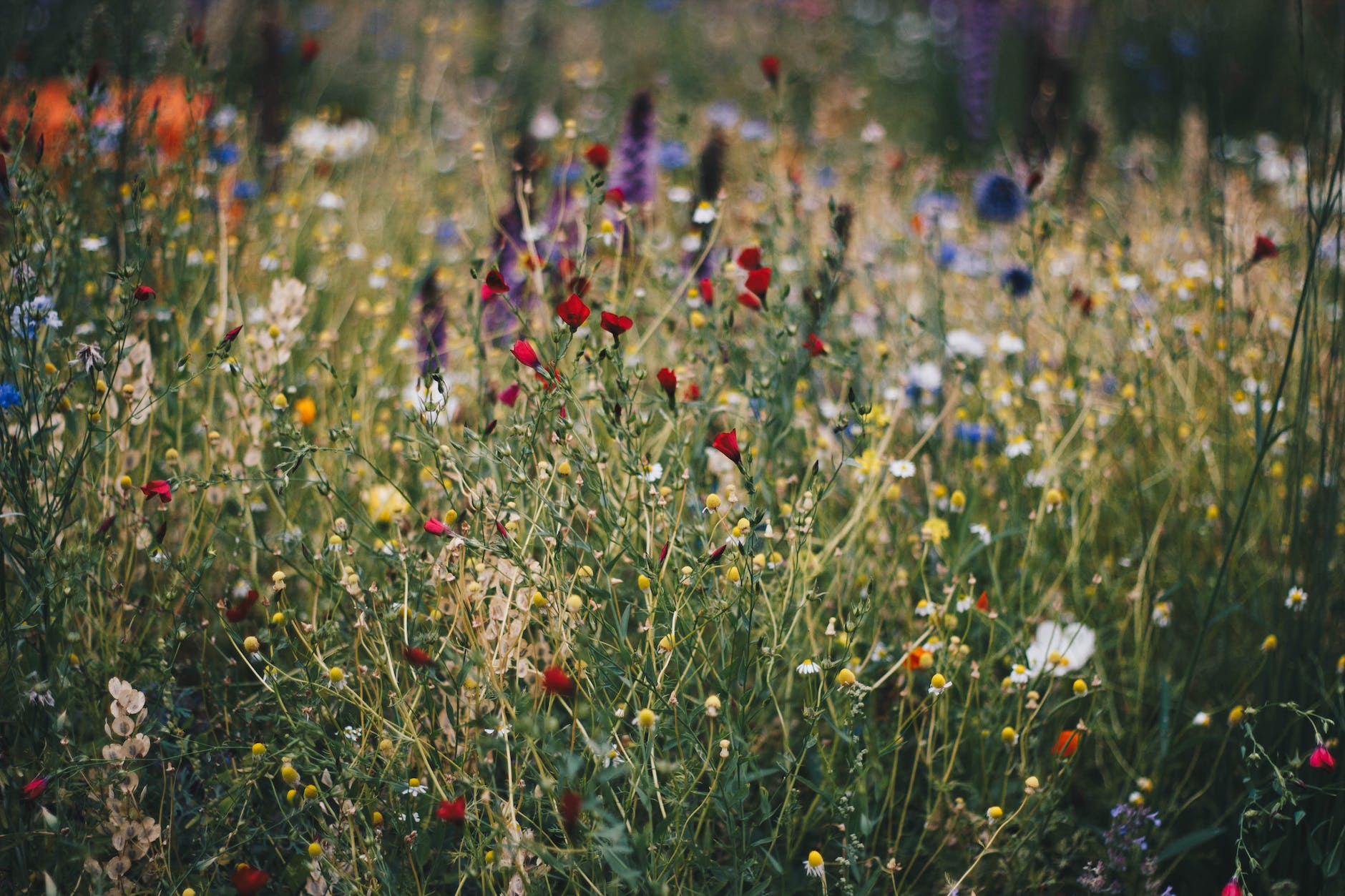
A field of wild flowers may not look as uniformed or colorful as a manicured garden, but it captivates the imagination anyway because it is wild and free. The manicured garden inspires awe because of the work, and the creativity, it took to create and maintain it. The truth is: each of us has a bit of wildflower field and a bit of manicured garden within us. Being afraid of, ashamed of or at war with either is to deny ourselves the opportunity to further grow in confidence and acceptance of ourselves–and doing that hinders us from building relationships that could otherwise take our breath away with their richness and intimacy.
We were each made in the image of God…. to me, this means that each of us has the opportunity to help others learn more about and deepen their relationship with Him. And maybe the person to whom you wouldn’t normally tell that joke needs to be unexpectedly surprised by you in order to have the fully-belly laugh that would help heal a rough day. Someone told me recently, being weird is risky to which I wanted to respond, Being normal is risky. Maybe next time, I will.

 Tiffini Johnson